


NEWYou can now listen to Fox News articles!
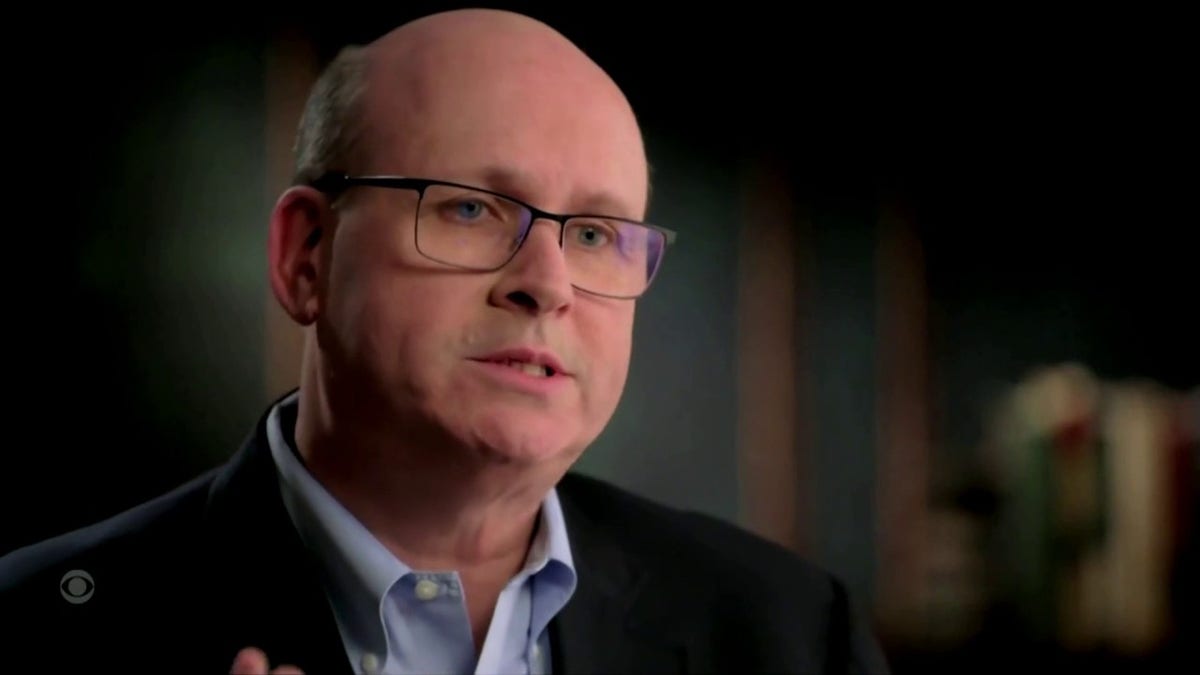
Supreme Court Justice Clarence Thomas grilled prominent left-leaning lawyer Marc Elias this week about a campaign finance law, joining several other conservative justices in voicing skepticism about the law’s restrictions on certain types of political donations.
Thomas’ questions centered on a Federal Election Campaign Act provision that limits how much money state and national political parties can spend when coordinating with specific candidates.
Republicans who brought the lawsuit argued that the coordinated political spending is protected speech and should not be limited by Congress, while Elias, a prolific election lawyer, argued to the high court that Congress has a right to cap those expenses.
SCOTUS TAKES UP TRUMP’S BID TO FIRE FTC COMMISSIONER AT WILL — A SHOWDOWN THAT COULD TOPPLE 90-YEAR PRECEDENT
Thomas and Elias appeared at odds during oral arguments, as Thomas questioned why coordinated political spending between parties and candidates should face limits — particularly when it covers routine campaign expenses like hotels or food.
“Just so I’m clear, is there any First Amendment interest in coordinated expenditures?” Thomas asked.
Elias replied “yes,” but said a party paying an individual campaign’s bills was “symbolic speech” that is not fully protected and should be subject to standard contribution limits.
“I still don’t understand what you’re saying,” Thomas told Elias. “If the party coordinates with the candidate and pays the bill, does that have a First Amendment protection or is it simply, as you say, a bill-paying exercise?”
“It is speech,” Elias said, but he said court precedent says the bill payment “is treated as a contribution, and, therefore, though it is speech, it is subject to limit by Congress in how much can be spent on engaging in that speech.”
Congress currently limits individual donations that can be made to a political candidate, and the Supreme Court has in past cases balanced allowing First Amendment-protected political donations while also allowing caps as a safeguard against outsize influence and corruption in elections.
DEMS MOVE TO SET LIMITS ON TRUMP’S DONOR-FUNDED WHITE HOUSE BALLROOM, CLAIMING ‘BRIBERY IN PLAIN SIGHT’
But the high court is now being asked to potentially allow millionaires and billionaires to make unlimited individual contributions to a state or national political party, with the expectation that the money would be redirected and spent in coordination with a particular candidate. The decision could upend the current political spending landscape ahead of the 2026 midterm elections by allowing rich donors to flood state or national political parties with more money.
Justice Brett Kavanaugh, another skeptic of Elias’ argument, pointed out that outside groups can accept limitless funds and influence elections and that state and national parties appear disadvantaged because of it.
“I am concerned that a combination of campaign finance laws and this court’s decisions over the years have together reduced the power of political parties, as compared with outside groups, with negative effects on our constitutional democracy,” Kavanaugh said.
“That’s the real source of the disadvantage. You can give huge money to the outside group, but you can’t give huge money to the party, so the parties are very much weakened,” he said.
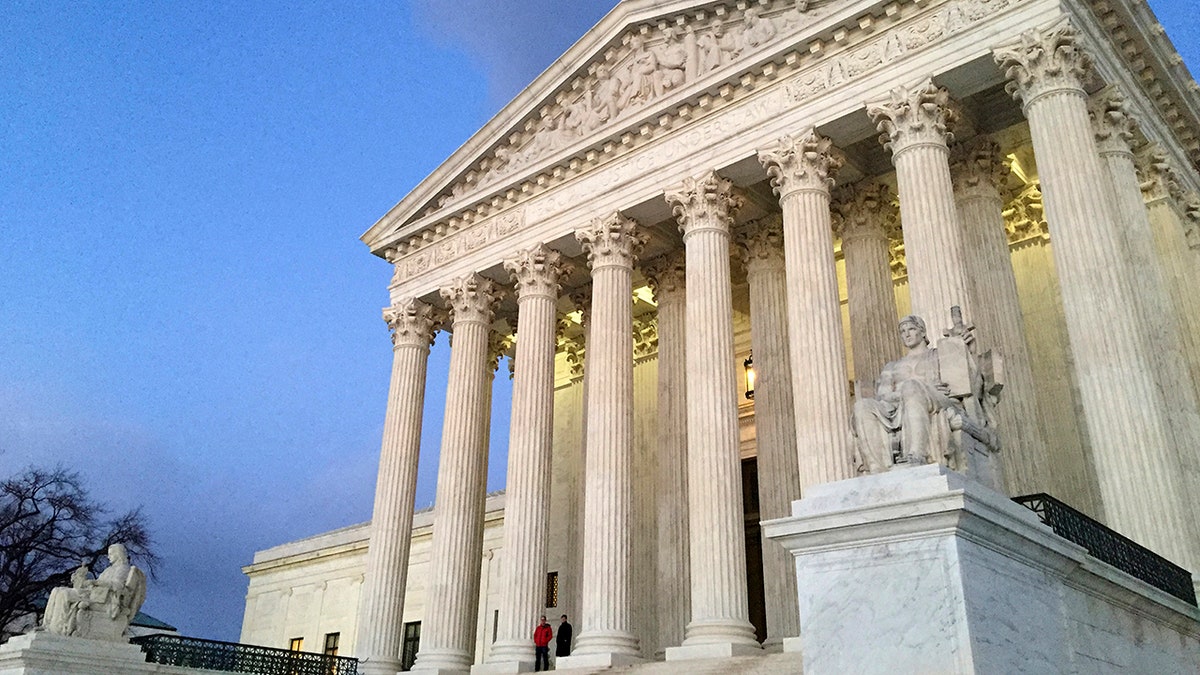
The case was brought to the high court by the National Republican Senatorial Committee, the National Republican Congressional Committee, and two former Ohio Republican candidates: now–Vice President JD Vance and former Rep. Steve Chabot.
The liberal justices leaned toward wanting to avoid further undoing campaign spending limits, which have eroded over time under Chief Justice John Roberts.
“Every time we interfere with the congressional design, we make matters worse … our tinkering causes more harm than good,” said Justice Sonia Sotomayor. “Once we take off these coordinated expenditure limits, then what’s left? What’s left is nothing. No control whatsoever.”
Read the full article here


