


NEWYou can now listen to Fox News articles!
Once known for bottomless breadsticks and supersized meals, American chain restaurants are increasingly rethinking their portion sizes.
As GLP-1 weight-loss medications like Ozempic, Wegovy and Zepbound go mainstream, restaurants are responding to customers with smaller appetites — and a growing appetite for protein-packed meals.
“People on GLP-1s are prioritizing protein because it’s the macronutrient that they need to preserve muscle mass,” New Jersey-based registered dietitian Jenna Werner told NBC News, adding that restaurants are using “this weight-loss cultural movement to hop on that train.”
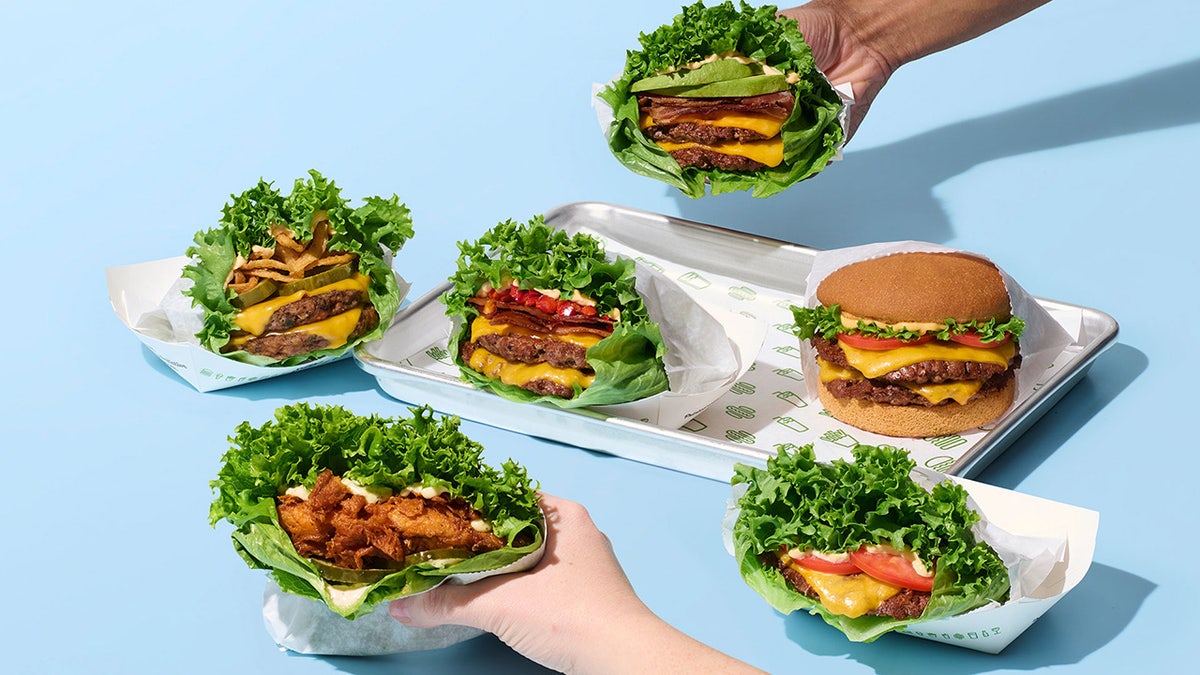
FAST FOOD GOES GLP-1: SHAKE SHACK JOINS PROTEIN CRAZE WITH NEW OZEMPIC-FRIENDLY MENU
The rapid rise in GLP-1 drugs, which suppress appetite and slow digestion, has coincided with changes across chain menus, from scaled-down portions to snack-sized, high-protein options.
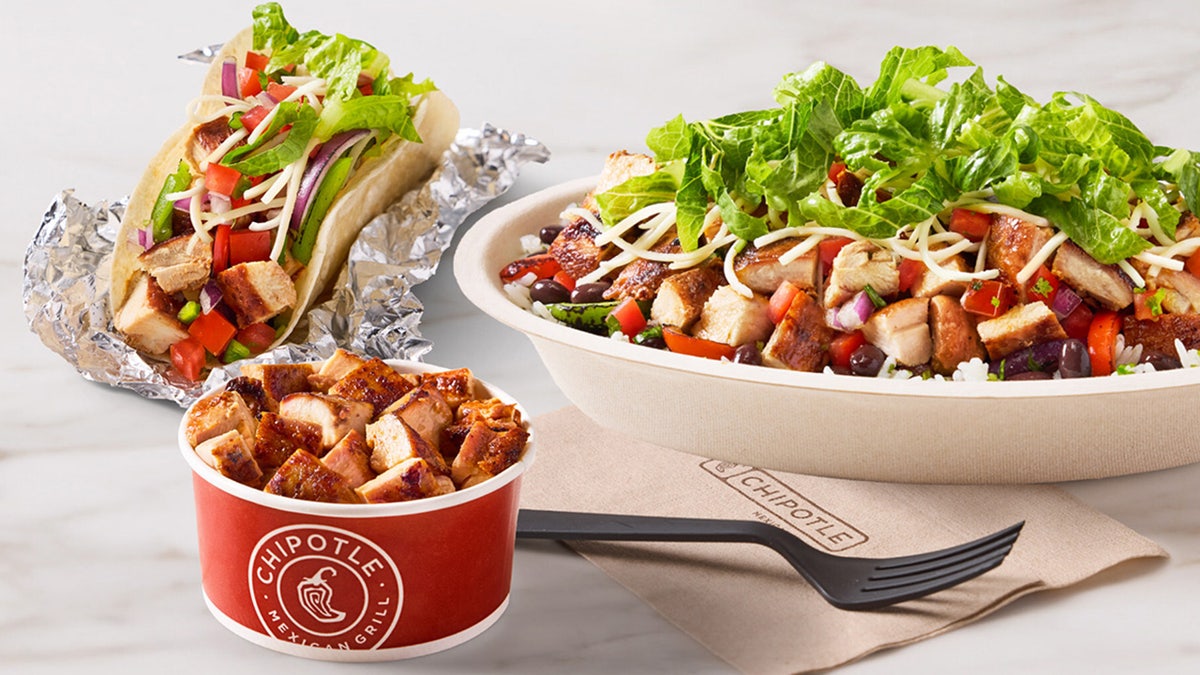
Fast-food chains like Shake Shack and Chipotle are among those that have rolled out high-protein, lower-carb menus, as Fox News Digital previously reported.
Meanwhile, Olive Garden introduced a “lighter portion” menu featuring smaller servings at lower prices, Chipotle rolled out a “High Protein Cup,” Subway added compact “Protein Pockets” and Smoothie King launched a GLP-1 support menu, according to their websites.
Many GLP-1 users report finding traditional restaurant portions too big.
WHY OZEMPIC USERS ‘CAN BARELY FINISH A THIRD’ OF THEIR RESTAURANT ORDERS
“Patients consistently report that restaurant portions, which they once found normal-sized, now seem overwhelming,” Florida obesity specialist Dr. Fernando Ovalle Jr. previously told Fox News Digital.
“Many tell me they can barely finish a third of their usual order.”

New research suggests that when GLP-1 users do dine out, they aren’t abandoning restaurants altogether — they’re ordering differently.
A January study from Chicago-based research company Circana found that GLP-1 users decreased the average number of items ordered per visit by just 1%, while favoring main dishes over sides.
The research also showed growing demand for vegetables, fruit and nutrient-dense items like smoothies.
“With GLP-1 usage, the biggest change to restaurants won’t be that consumers stop going out to eat, it will be how they go out to eat and what they order,” David Portalatin, senior vice president at Circana, said in a statement.
Some restaurateurs say flexibility — not smaller offerings — is the real trend.
“I don’t think restaurants are simply ‘shrinking’ portions,” Abraham Merchant, CEO of New York-based Merchants Hospitality, told Fox News Digital.
CLICK HERE FOR MORE LIFESTYLE STORIES
“What we’re really seeing is more flexibility in how guests want to eat.”
Teneshia Murray, owner of Atlanta-based T’s Brunch Bar, agreed, telling Fox News Digital customers want “the same flavor but on healthier food items,” with more high-protein and lower-carb options, even at soul food restaurants like hers.
Industry experts note that rising food costs, value concerns and broader health trends, including new federal dietary guidelines recommending higher protein intake, are all influencing menus, too.
TEST YOURSELF WITH OUR LATEST LIFESTYLE QUIZ
But not everyone is on board. Celebrity chef Gordon Ramsay recently blasted the idea of GLP-1-friendly menus, calling them “absolute bulls—” in an interview and vowing not to offer smaller portions at his restaurants.
Yet many chains appear to be betting that lighter, protein-driven and customizable meals are here to stay.

“Restaurants that win are the ones offering flexibility,” Ovalle said.
Novo Nordisk, the maker of Ozempic and Wegovy, previously told Fox News Digital that it is “humbling to see how Ozempic and Wegovy have already helped so many Americans.”
“We are proud of the work our scientists have done to advance innovation and improve the lives of people with chronic diseases, including diabetes and obesity,” a spokesperson added.
A spokesperson for Eli Lilly, the maker of Mounjaro and Zepbound, told NBC that the company values “efforts to make healthy living easier for everyone.”
Read the full article here


