


NEWYou can now listen to Fox News articles!
Older adults classified as “SuperAgers” generate at least twice as many neurons in the hippocampus than their typical aging peers, a new study has revealed.
These findings, released on Wednesday by the University of Illinois Chicago and Northwestern University, could help explain why SuperAgers have exceptional memory and cognitive resilience even well past 80 years old.
Northwestern has been studying SuperAgers for decades, defining them as “extraordinary individuals aged 80 and above whose memory performance rivals that of people three decades younger.” The researchers use special memory recall tests to make this determination.
In this study, they analyzed post-mortem brain tissue — nearly 356,000 individual cell nuclei — with a focus on the hippocampus, which is essential for forming new memories and supporting learning and spatial navigation.
They compared tissue from SuperAgers, typical older adults, older adults with early dementia/Alzheimer’s and younger healthy adults.
The researchers found that SuperAgers produced at least twice as many new neurons compared to “cognitively normal” older adults and those with Alzheimer’s pathology.
They also found that changes in certain brain support cells (astrocytes) and key memory cells (CA1 neurons) are linked to preserved cognitive ability, helping to keep the brain sharp with age.
ALZHEIMER’S DECLINE COULD SLOW DRAMATICALLY WITH ONE SIMPLE DAILY HABIT, STUDY FINDS
The SuperAgers also had different genetic activity patterns in their brains compared to those in Alzheimer’s disease.
“SuperAgers have more immature neurons and neuroblasts in the hippocampus, which is an indication of stronger neurogenesis when compared with other groups,” study co-author Changiz Geula, research professor of cell and developmental biology and neuroscience at at Northwestern University Feinberg School of Medicine, told Fox News Digital.
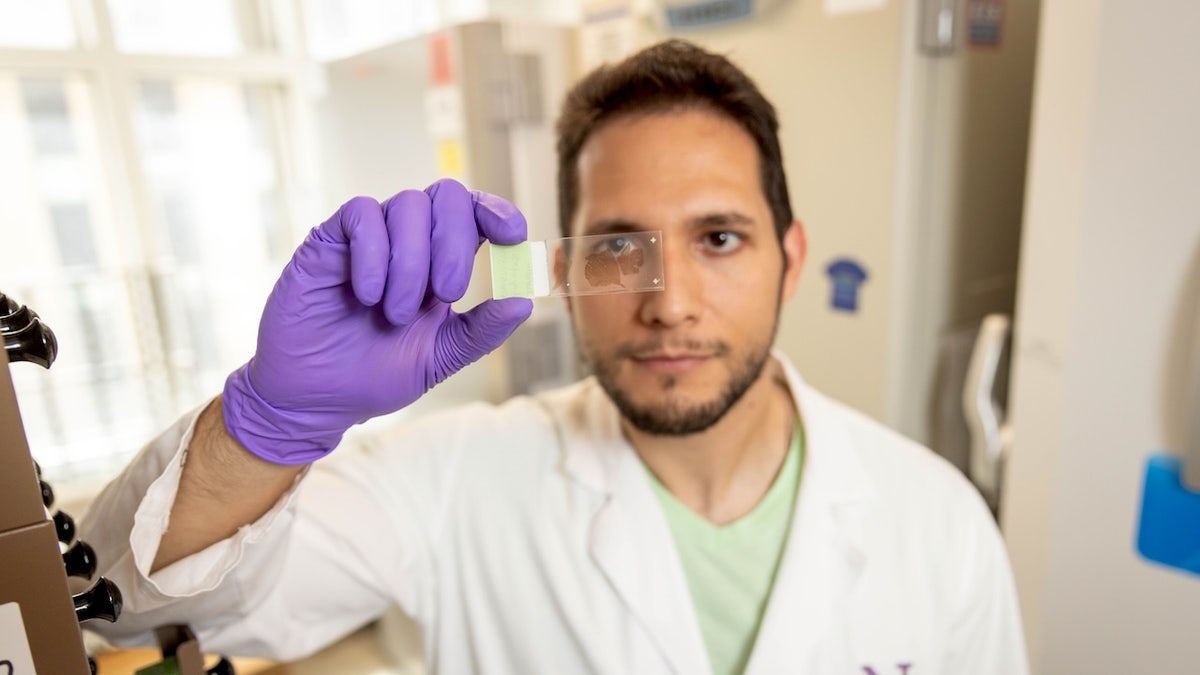
“The study also showed that specific cells in the hippocampus show unique gene expression profiles that relate to neuronal function and transmission and are associated with superior cognitive function.”
The findings were published in the journal Nature.
CLICK HERE FOR MORE HEALTH STORIES
“We’ve always said that SuperAgers show that the aging brain can be biologically active, adaptable and flexible, but we didn’t know why,” said co-author Tamar Gefen, associate professor of psychiatry and behavioral sciences at Northwestern University Feinberg School of Medicine and a neuropsychologist at Northwestern’s Mesulam Institute for Cognitive Neurology and Alzheimer’s Disease, in the release.
“This is biological proof that their brains are more plastic, and a real discovery that shows that neurogenesis of young neurons in the hippocampus may be a contributing factor.”
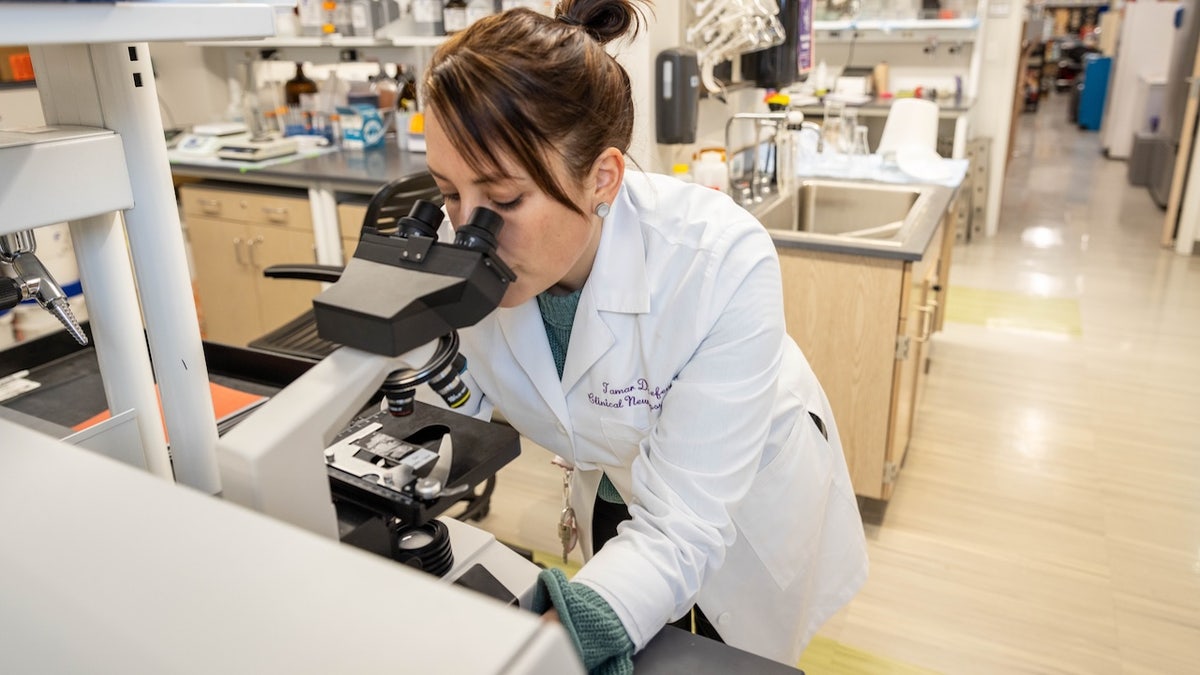
Dr. Marc Siegel, Fox News senior medical analyst, commented that the study discovered signs of plasticity and regeneration in SuperAgers.
“It confirmed not only preservation of brain tissue in the hippocampus, which is crucial for memory and cognition, but also regeneration and increased development of brain cells in that area,” Siegel, who was not involved in the study, told Fox News Digital.
CLICK HERE TO SIGN UP FOR OUR HEALTH NEWSLETTER
“This is an important study because it may lead to certain cell gene treatments that could lead to more SuperAgers,” the doctor said. “It may also lead to more advanced testing to determine who will be a SuperAger and guide clinical treatment and management.”
The study did have some limitations, primarily that the research relied on tissue samples taken at one specific point, instead of tracking changes over time.
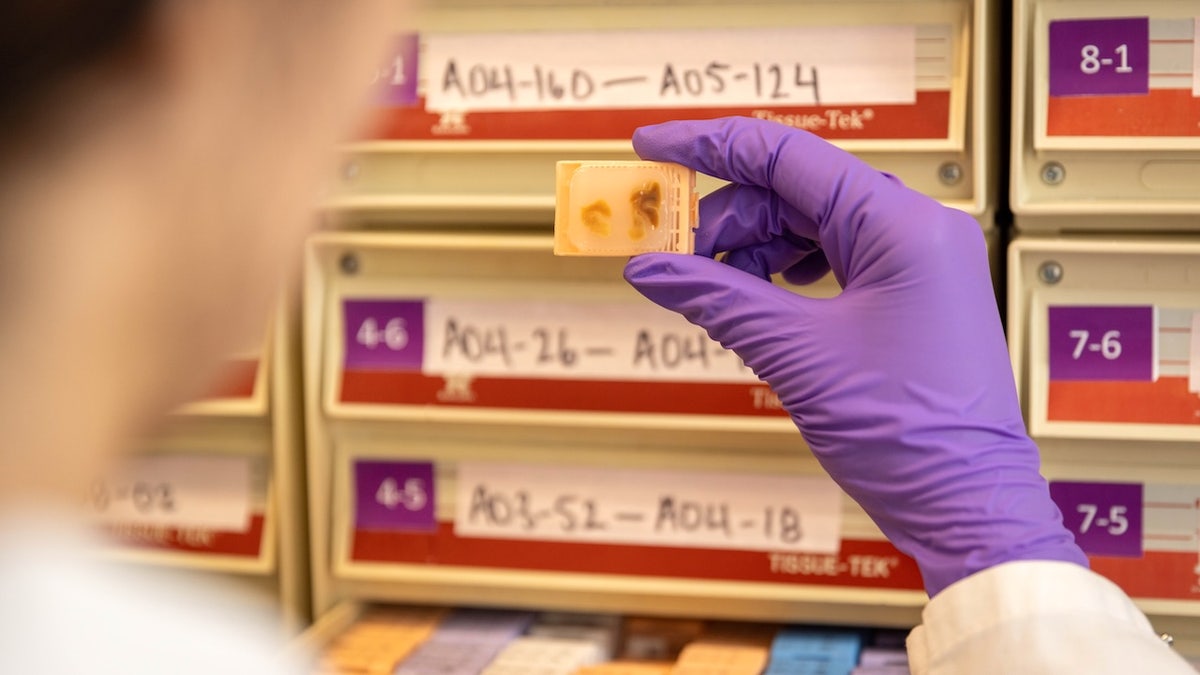
Geula noted that studies using human brain tissue typically involve fewer cases than animal research, which can be a limitation. However, he emphasized that each case in this study was analyzed thoroughly.
“While these findings are not directly translatable to changes in everyday life and activities, they suggest that cognitive resilience is associated with greater integrity of many brain systems,” he told Fox News Digital. “This implies that attending to brain health is crucial for maintaining cognitive function in old age.”
TEST YOURSELF WITH OUR LATEST LIFESTYLE QUIZ
“Thus, maintaining good overall health by keeping systemic diseases in check, maintaining a healthy diet and exercise, and ensuring the elderly remain mentally active assume more importance.”
The study was funded by the National Institute on Aging, which is part of the National Institutes of Health.
Related Article

Read the full article here


