


Saks’ parent company, Saks Global Enterprises, filed for Chapter 11 bankruptcy protection Tuesday in the U.S. Bankruptcy Court for the Southern District of Texas after missing a $100 million interest payment in December, adding to mounting debt obligations.
Following the filing, Saks Global announced Wednesday that it has secured a financing commitment of approximately $1.75 billion, backed by senior secured bondholders and asset-based lenders, to support operations during the restructuring.
The company also named Geoffroy van Raemdonck as chief executive officer, effective immediately.
It said stores and ecommerce operations across Saks Fifth Avenue, Neiman Marcus, Bergdorf Goodman, Saks OFF 5TH, Last Call and Horchow will remain open.
LUXURY RETAIL GIANT SAKS WEIGHS BANKRUPTCY FILING, REPORT
It was seen as a strategic move by Saks to strengthen the business and better compete with online luxury rivals and major players like Nordstrom and Bloomingdale’s.
“This is a defining moment for Saks Global, and the path ahead presents a meaningful opportunity to strengthen the foundation of our business and position it for the future,” said van Raemdonck. “In close partnership with these newly appointed leaders and our colleagues across the organization, we will navigate this process together with a continued focus on serving our customers and luxury brands. I look forward to serving as CEO and continuing to transform the Company so that Saks Global continues to play a central role in shaping the future of luxury retail.”
After missing the debt payment, the company only had 30 days to either make the payment or face a formal default that could lead to bankruptcy, according to Tim Hynes, Global Head of Credit Research at financial intelligence firm Debtwire.
The bankruptcy filing comes about a year after Canada-based conglomerate Hudson’s Bay Co., which had owned Saks since 2013, completed its roughly $2.7 billion acquisition of Neiman Marcus Group in December 2024 to build out a larger luxury retail platform under the newly formed Saks Global Enterprises brand.
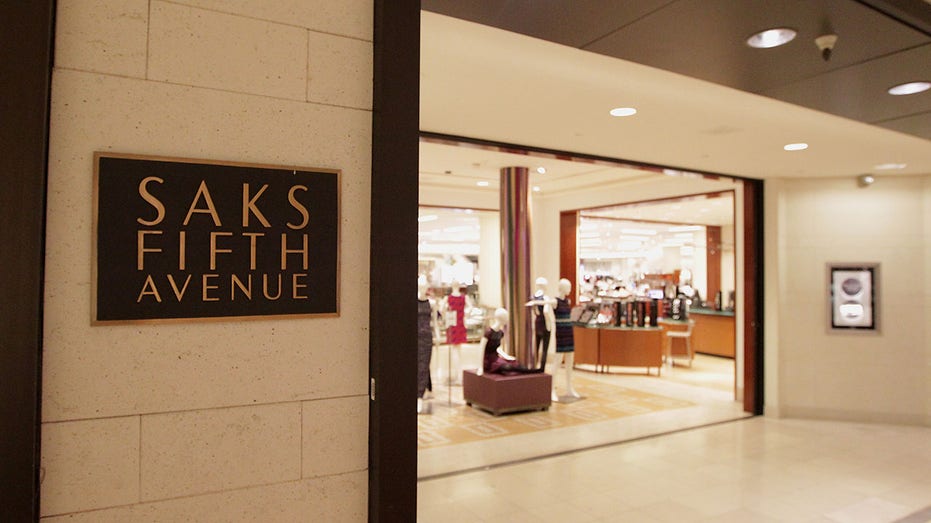
Saks Fifth Avenue’s parent company gained ownership of Neiman Marcus and Bergdorf Goodman and spun off its U.S. luxury assets.
Saks Global Executive Chairman Richard Baker said the deal marked a “transformative moment for Saks Global and the luxury retail industry” as it created “an unparalleled multi-brand luxury portfolio with tremendous growth potential.”
However, in order to fund the acquisition, Saks took on about $2.2 billion of debt.
SAKS FIFTH AVENUE SHUTTING DOWN SAN FRANCISCO LOCATION AFTER NEARLY 45 YEARS
“The deal was built on aggressive earnings and cost-cut assumptions that have not been achieved, while the added leverage has proven difficult to sustain in a structurally shrinking retail sector,” said Hynes.
To exacerbate issues, companies also increasingly pushed customers to buy directly from their own standalone stores and websites, which directly hurt bigger department stores like Saks and Neiman.
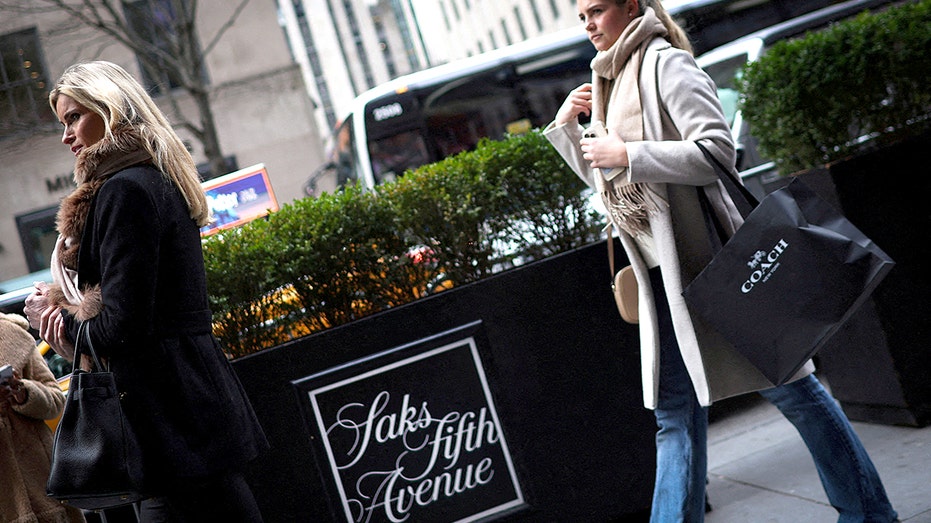
Hynes said it was evident that the company was already running short on cash heading into the critical holiday shopping season, “limiting inventory levels and undermining any near-term turnaround.”
He also noted that while asset sales, such as its recent sale of the Los Angeles Neiman Marcus flagship, can provide temporary relief, they aren’t a long-term solution.
As part of its restructuring, the company may have to focus on renegotiating leases due in the new year, putting into question the future of its iconic Fifth Avenue flagship.

“While it may survive an initial restructuring, the highest value for that land is certainly not as a retail store,” Haynes said.
Reuters contributed to this report.
Read the full article here


