Close Menu
Truth Republican
  • Home
  • News
  • Politics
  • Business
  • Guns & Gear
  • Healthy Tips
  • Prepping & Survival
  • Videos
Facebook X (Twitter) Instagram
Truth Republican
  • Home
  • News
  • Politics
  • Business
  • Guns & Gear
  • Healthy Tips
  • Prepping & Survival
  • Videos
Newsletter
Truth Republican
You are at:Home»Guns & Gear»How Cold Weather Makes CCW Harder (Not Easier)
Guns & Gear

How Cold Weather Makes CCW Harder (Not Easier)

Buddy DoyleBy Buddy DoyleNovember 18, 2025No Comments8 Mins Read
Facebook Twitter Pinterest LinkedIn Tumblr WhatsApp
How Cold Weather Makes CCW Harder (Not Easier)
Share
Facebook Twitter LinkedIn Pinterest Email


By Ryan Domke

Posted in
#EDC

Concealed carry in cold weather presents unique challenges that can compromise both comfort and accessibility. I’m from Ohio but relocated to Tennessee, so I’ve become accustomed to wearing shorts and T-shirts into November. However, there are still a few months out of the year when jackets and hoodies make an appearance.

Lighter cover garments like this jacket offer faster access compared to heavy winter coats or multiple layers of sweatshirts.

When the temperature finally drops and a change in attire is required, concealed carry becomes a different kind of challenge. Typically, the conversation leans towards concealment being easier with layers, and while that is true, those same layers can interfere with your draw, affect your grip, and ultimately slow you down in a time of need. Gloves affect trigger feel, bulky coats can snag on holsters, and extra clothing means slower access when seconds matter.

However, with the right preparation and gear adjustments, you can carry safely and effectively throughout the entire winter. Cold-weather carry is about more than comfort; it’s about adapting your EDC setup to stay consistent and confident no matter the season.

Rethinking Your Layers for Winter CCW

The first step to confidently carrying in cold weather is rethinking how you layer your clothing. In warm weather, drawing from concealment is simple; usually, a single shirt is all that is needed to clear.
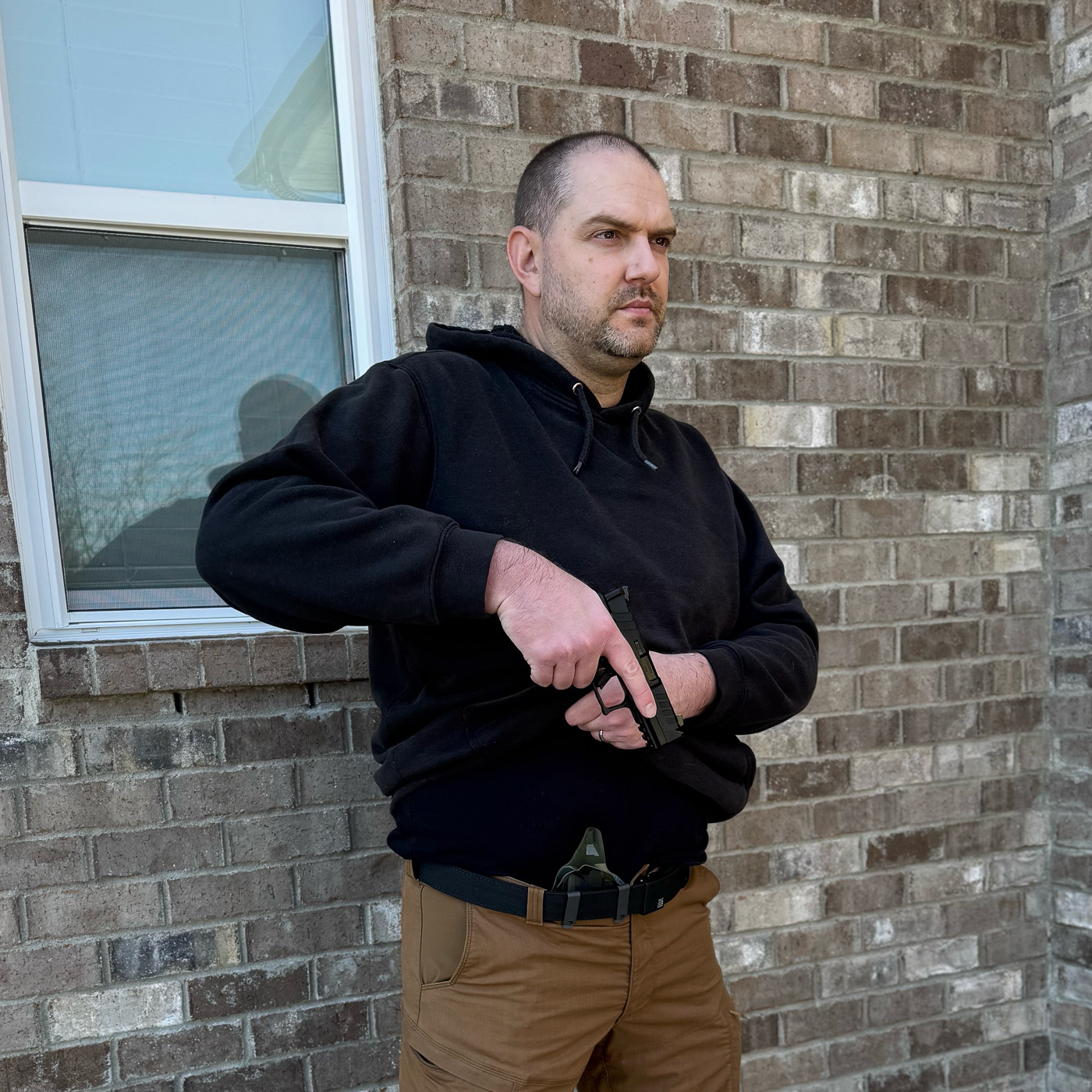
Concealed carrier demonstrating appendix carry draw technique by lifting hoodie sweatshirt to access pistol in AIWB holster positioned at front centerline showing popular winter EDC setup for younger carriers and casual clothing environments. Photo illustrates proper garment sweep modification for pullover-style cover garments as shooter pulls hoodie upward with support hand while establishing master grip on pistol in appendix position holster rather than traditional strong side carry location. Man executing AIWB draw from concealed Kydex holster beneath hoodie sweatshirt revealing how inside the waistband appendix carry requires different clearing motion than jacket-based concealment for cold weather concealed carry situations. Image shows tactical draw from appendix holster under pullover hoodie demonstrating accessibility challenges that sweatshirts and pullovers introduce compared to zip-up jackets or button-front cover garments for defensive readiness scenarios. Concealed carry presentation from AIWB position beneath hoodie illustrates why appendix carry practitioners must practice draw drills with various cover garment types including sweatshirts that cannot be swept aside like traditional flannel shirts or CCW jackets. Shooter drawing handgun from appendix inside the waistband holster after lifting front hem of hoodie sweatshirt showing grip purchase technique and trigger guard access when carrying concealed in casual winter clothing rather than tactical apparel from 5.11 or Vertx brands. Appendix carry draw stroke from beneath hoodie demonstrates gun belt placement and holster retention considerations for AIWB setup where lifting fabric upward rather than sweeping sideways affects draw time and muscle memory requirements for winter concealed carry training.
Appendix carry under a hoodie requires lifting the front of the sweatshirt rather than sweeping it aside.

The goal is to keep your handgun in the same position that you’re accustomed to, but avoid burying your concealed carry firearm under multiple thick layers. To achieve this, I’ve found it ideal to wear your holster and pistol over your base layer or mid-layer, then cover them with your sweater or jacket. This allows your EDC to remain concealed without having to clear multiple layers when drawing.

Avoid carrying inside thick or fuzzy fabrics like fleece, sherpa, or heavy knits that can catch on your holster or grip. Additionally, drawstrings, inner cords, and extra loose fabric can all get pulled into your holster when you reholster. So, before you head out, take a moment to check the area around your holster for anything that could interfere with your draw.

Finding the Right Gloves

Few things make handling a firearm harder than thick winter gloves.

The best solution is to choose gloves that strike a balance between insulation and mobility. Avoid those bulky ski gloves or work gloves that make it difficult to feel the trigger or manipulate your firearm’s controls. You don’t need “tactical” gloves by any means, but finding a pair that are not overly bulky and still allow for slide, trigger, and safety manipulation is key.
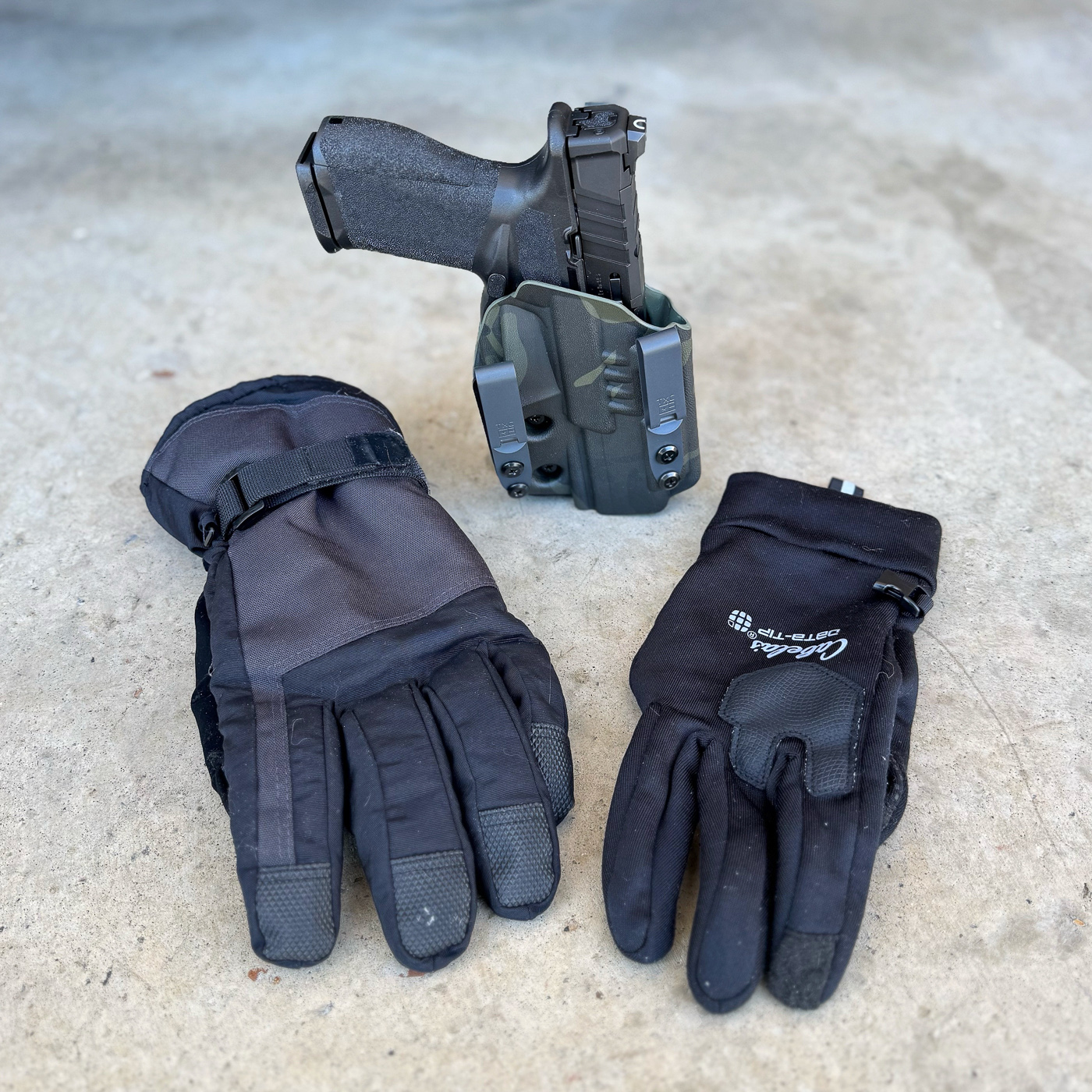
Cold weather shooting gloves designed specifically for concealed carry and firearms handling showing reinforced palms and articulated trigger finger for maintaining trigger guard access and tactile sensitivity in sub-zero temperatures. Photo displays tactical shooting gloves similar to Mechanix Wear or 5.11 Tactical models featuring thin profile that permits proper grip purchase and master grip acquisition on pistol while providing insulation against cold-induced stiffness that impairs fine motor skills. Image shows winter EDC gloves with touchscreen compatible fingertips allowing emergency 911 calls without removal and demonstrating balance between thermal protection and trigger finger dexterity required for defensive scenarios in cold climate conditions. Shooting-specific gloves for concealed carry illustrating design features like flexible knuckles, secure wrist closures, and low-profile construction that accommodates draw stroke and reholstering unlike bulky ski gloves or heavy work gloves that prevent trigger discipline. Cold weather firearm gloves showing merino wool liner alternative or synthetic insulation options that maintain combat grip capability while protecting against hypothermia during extended outdoor carry in northern states or snow belt regions. Tactical gloves for winter concealed carry demonstrating proper equipment selection that supports muscle memory from dry fire practice and draw drills rather than compromising defensive readiness with excessive bulk that blocks trigger guard or prevents safe reholstering. Concealed carry shooting gloves positioned to show palm reinforcement and finger articulation necessary for maintaining muzzle discipline and proper presentation technique when drawing from Kydex holsters or hybrid holsters beneath heavy winter jackets in freezing conditions.
Quality shooting gloves balance insulation with trigger finger dexterity for cold weather carry.

Whatever gloves you choose, make sure you practice with them on. Don’t wait until you’re in a life-or-death situation to discover that your trigger finger won’t fit in the trigger guard or that you can’t properly hit the magazine release to reload. Practice drawing, shooting, reloading, and reholstering.

I’ve found my favorite gloves to be a basic pair from Cabela’s. They are thin enough to draw and shoot with, yet still warm, and they have technology-friendly finger tips that allow you to use your phone with them. Unfortunately, they are no longer offered. However, I am sure you can find something similar.

Adjusting Gear and Carry Position

Cold weather is also the perfect time to evaluate your overall gear setup. If you’re like me, you already prioritize having a low-profile IWB holster year-round, but in winter, consider adjusting your ride height to make drawing easier with gloves. By having your holster sit slightly higher than usual, drawing will feel more natural with gloves on, and it will still be easy to conceal thanks to your additional layer(s). It’s also critical to ensure your EDC belt is sturdy enough and capable of managing a larger-framed pistol if need be.
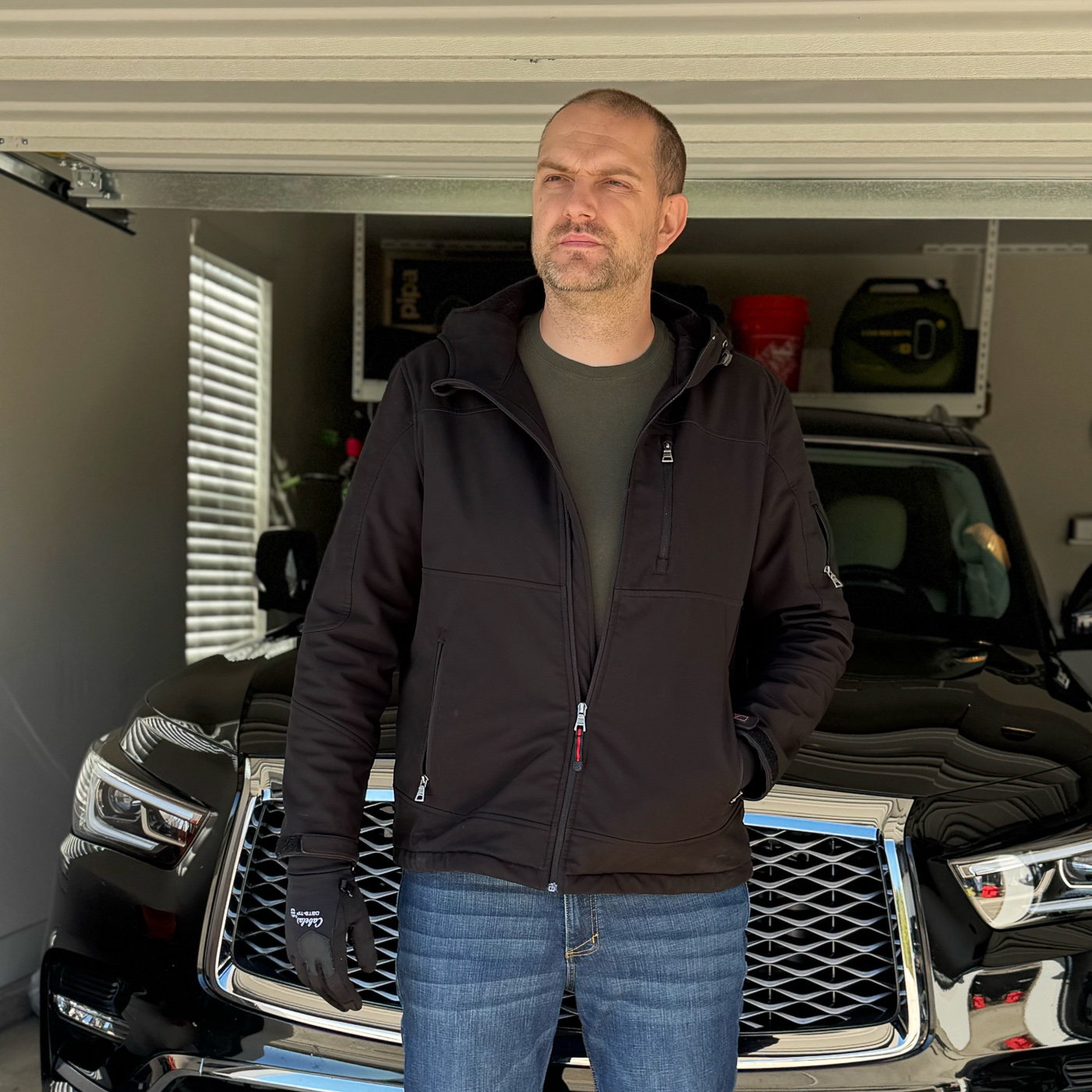
Man wearing lightweight winter coat or CCW jacket with one hand inserted in coat pocket illustrating common cold weather habit that compromises quick access to concealed carry firearm and increases draw time during threat scenarios. Photo demonstrates tactical vulnerability of pocket carry hand positioning showing how natural cold weather behavior conflicts with defensive readiness principles for armed citizens carrying concealed firearms beneath cover garments. Concealed carrier in light winter jacket from brands like 5.11 Tactical or Vertx with hand in pocket revealing accessibility challenges that winter clothing habits introduce to situational awareness and rapid presentation from IWB or OWB holster positions. Image shows everyday carry posture during cold weather conditions highlighting why concealed carry training must address hand positioning and garment sweep techniques when wearing insulated jackets or heavy coats that tempt carriers to keep hands warm in pockets. Winter concealed carry setup with shooter demonstrating relaxed stance and pocket hand placement that would delay establishing combat grip and master grip acquisition if defensive scenario required immediate draw stroke from appendix carry or strong side holster. Man in cold weather jacket showing tactical consideration of hand placement outside pockets for maintaining reduced reaction time and quick access to holstered pistol whether carrying Glock, Springfield Armory, Sig Sauer, or Smith & Wesson firearms beneath winter layers. Concealed carry lifestyle photo illustrating balance between comfort in freezing temperatures and maintaining defensive capability showing why EDC practitioners must develop muscle memory for keeping dominant hand free and accessible near holster location at 3 o'clock or 4 o'clock position even when cold conditions encourage pocket warming behavior.
Keeping hands in pockets feels natural in cold weather but dramatically increases your draw time and can compromise defensive readiness. Train to be ready for any possibility.

Some people even switch to an OWB holster if their outerwear of choice is a loose jacket. However, I would urge you to take a few extra seconds before walking out the door to ensure your gun and holster are still “concealed” within the jacket. Regardless of how comfortable you are with carrying, the general public can sometimes feel differently, and you don’t want to cause a scene at Target.

The type of jacket you wear also matters more than most people realize. Outerwear with large zippers or magnetic fasteners is easier to manipulate with cold hands or gloves. Many carriers choose jackets with breakaway or dual zippers that can be quickly opened with one hand.

Mastering the Cold-Weather Draw

I know I hinted at it already, but drawing from concealment, either in the cold or wearing cold-weather gear, requires deliberate technique and practice. You can’t just lift your T-shirt anymore.

If your outerwear is zipped or buttoned, leave it partially open for faster access. A slightly open jacket is a small trade-off for faster reaction time if you ever need to draw under pressure.

Live The Armory Life. The latest content straight to your inbox plus an automatic entry to each of our monthly gun giveaways!

When reholstering, be intentional. Bulky or loose clothing can easily sneak into your holster without realizing it, and with gloves on, you might not feel it. Always confirm visually or by touch that the holster is clear.

Cold hands can also make you less precise, so extra caution is warranted when handling your firearm in frigid conditions. Safety should always come before speed.

Training for Cold Weather Concealed Carry

No matter how good your setup is, how much you dry fire indoors, or how many scenarios you prepare for in theory, nothing replaces actual practice in your cold-weather gear…in the actual cold!
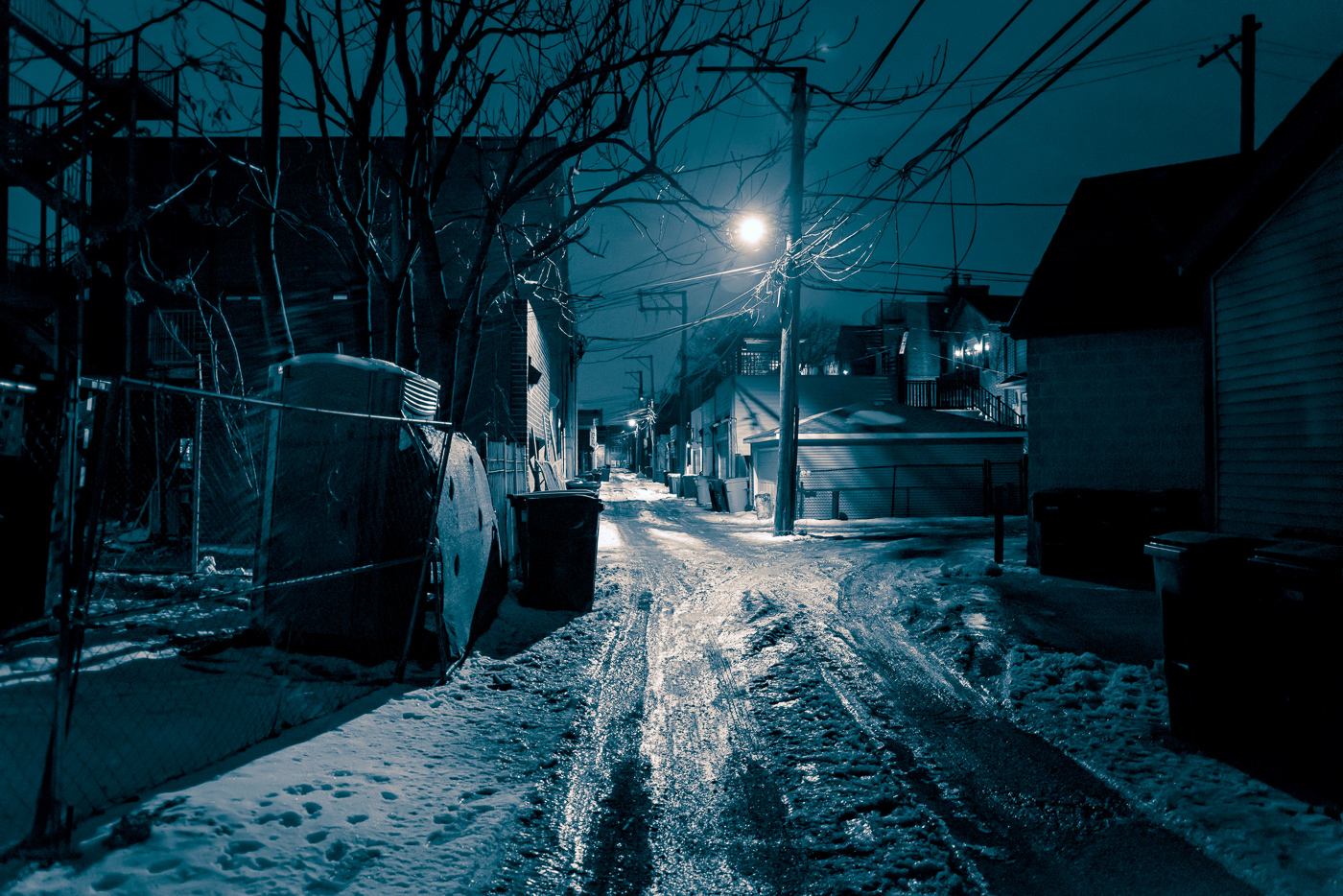
Abandoned residential street at night during winter showing icy road conditions and dark environment illustrating real-world cold weather concealed carry scenarios where reduced visibility and compromised footing affect defensive readiness and situational awareness. Photo depicts deserted urban winter street with ice coverage and sub-zero temperature conditions demonstrating environmental challenges that armed citizens face when carrying concealed firearms during northern states winter months or snow belt region cold snaps. Nighttime winter street scene showing slippery ice conditions that limit mobility and increase fall risk for concealed carriers wearing heavy winter coats and insulated clothing that already restrict range of motion and draw stroke capability. Image of dark residential area during freezing winter night illustrating threat assessment difficulties when visibility decreases and bulky winter layering systems slow reaction time for accessing holstered pistols in IWB or OWB carry positions. Cold weather urban environment at night showing icy streets where concealed carry permit holders must balance movement caution with maintaining hand positioning outside pockets for quick access to defensive firearms despite cold-induced discomfort. Winter night street photography depicting real conditions where CCW practitioners encounter combination of darkness, precipitation, ice hazards, and cold temperatures requiring tactical awareness of how heavy winter jackets, shooting gloves, and layered clothing affect presentation speed and combat grip establishment. Deserted nighttime winter street with ice and snow showing defensive scenario environment where concealed carriers must navigate slippery surfaces while maintaining situational awareness and accessibility to holstered Glock, Springfield, Sig Sauer, or Smith & Wesson pistols beneath multiple fabric layers and insulated cover garments from brands like Carhartt, 5.11 Tactical, or Vertx that provide concealment but introduce draw time complications.
Reduced visibility, slippery footing, and bulky clothing all compound the challenges of maintaining defensive readiness during cold weather months.

Head to the range dressed exactly as you would for a typical winter day out, granted you have an outdoor range available. You could technically visit your local indoor range as well, but you won’t have the temperature factor playing into your training.

You’ll immediately notice how much more movement it takes to access your firearm and how your timing changes when layers get in the way or your fingers are exceptionally cold.

Time your draws and see how long it takes compared to your warm-weather setup. Remember, though, the goal isn’t just to move fast; it’s to build consistency and safety through repetition.
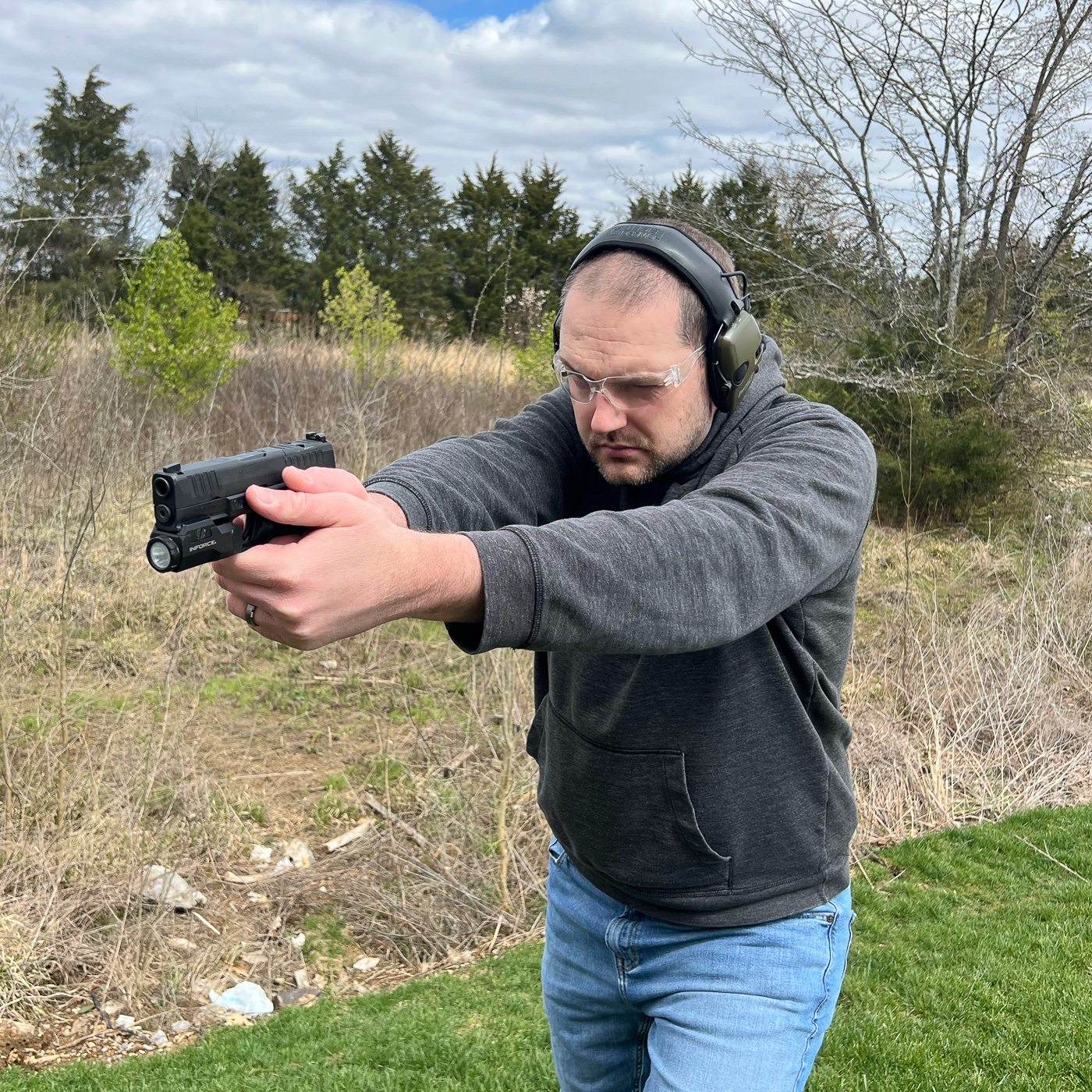
Concealed carrier conducting dry fire practice and draw drills wearing sweatshirt or hoodie with holstered pistol demonstrating cold weather concealed carry training essential for maintaining defensive readiness and muscle memory with winter clothing layers. Photo shows shooter training with actual EDC setup including cover garment and holster configuration practicing presentation technique and garment sweep fundamentals required when carrying concealed firearms beneath pullover sweatshirts or hoodies during cool weather conditions. Man executing draw stroke practice in sweatshirt illustrating importance of integrating winter clothing into regular training routine whether practicing with Glock, Springfield Armory, Sig Sauer P365, or Smith & Wesson M&P pistols in Kydex holsters or hybrid holsters at appendix carry or strong side positions. Cold weather firearms training session showing concealed carry practitioner rehearsing grip purchase, trigger guard access, and reholstering techniques while wearing actual winter EDC clothing rather than training only in summer attire that doesn't replicate fabric interference challenges. Image demonstrates tactical training methodology for winter concealed carry as shooter practices draw drills with sweatshirt cover garment to identify printing issues, accessibility problems, and draw time increases that bulkier clothing introduces compared to t-shirt carry during warmer months. Concealed carry training photo showing defensive readiness preparation through repeated practice of garment clearing motions, combat grip establishment, and presentation fundamentals while wearing winter layers that affect fine motor skills and range of motion during draw stroke execution. Shooter conducting live fire training or dry fire practice in cold weather clothing setup including sweatshirt or fleece jacket demonstrating why USCCA, NRA instructors, and defensive shooting schools emphasize training with actual EDC equipment and seasonal clothing rather than idealized range conditions that don't match real-world defensive scenarios in freezing temperatures.
Regular draw drills wearing your actual winter clothing builds the muscle memory necessary for real-world defensive scenarios. Not training in them means you won’t be prepared to react properly in cold weather settings.

Let’s be honest, though, when life happens and you leave in a hurry, you can easily forget your gloves or zip your jacket in a way that accommodates your gear. To further enhance your training, try to work around “obstacles” such as a fully zipped jacket or extra cold hands without gloves to see how you fare. I highly recommend running these drills with empty magazines first until you’re comfortable. Practicing both gloved and bare-handed draws/reloads/reholsterings can help prepare you for real-life variables, since you never know what situation you might face when carrying in the cold.

Final Thoughts on Cold Weather CCW

Carrying concealed in cold weather isn’t rocket science, but it does require adaptation and training. The added layers, gloves, and cold extremities may slow things down at first, but with a little time and practice, you can build a setup and draw that feels natural even in freezing temperatures.

The key is understanding how your gear, your clothing, and your body work together in the real world. Don’t just prepare for ideal conditions, train for the ones you actually live in. The goal is to stay warm and prepared at all times.

Editor’s Note: Be sure to check out The Armory Life Forum, where you can comment about our daily articles, as well as just talk guns and gear. Click the “Go To Forum Thread” link below to jump in!

Join the Discussion

Go to forum thread

Featured in this article


9mm Echelon™ 4.0C

Echelon™ 4.0C


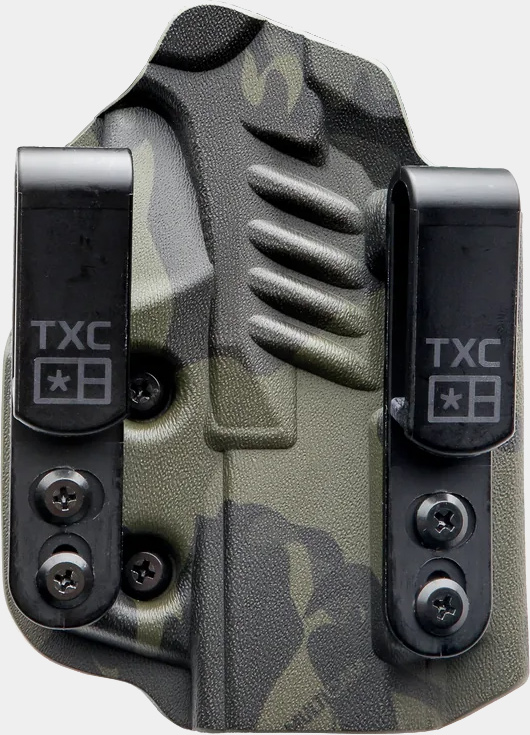
TXC CVRT

TXC CVRT


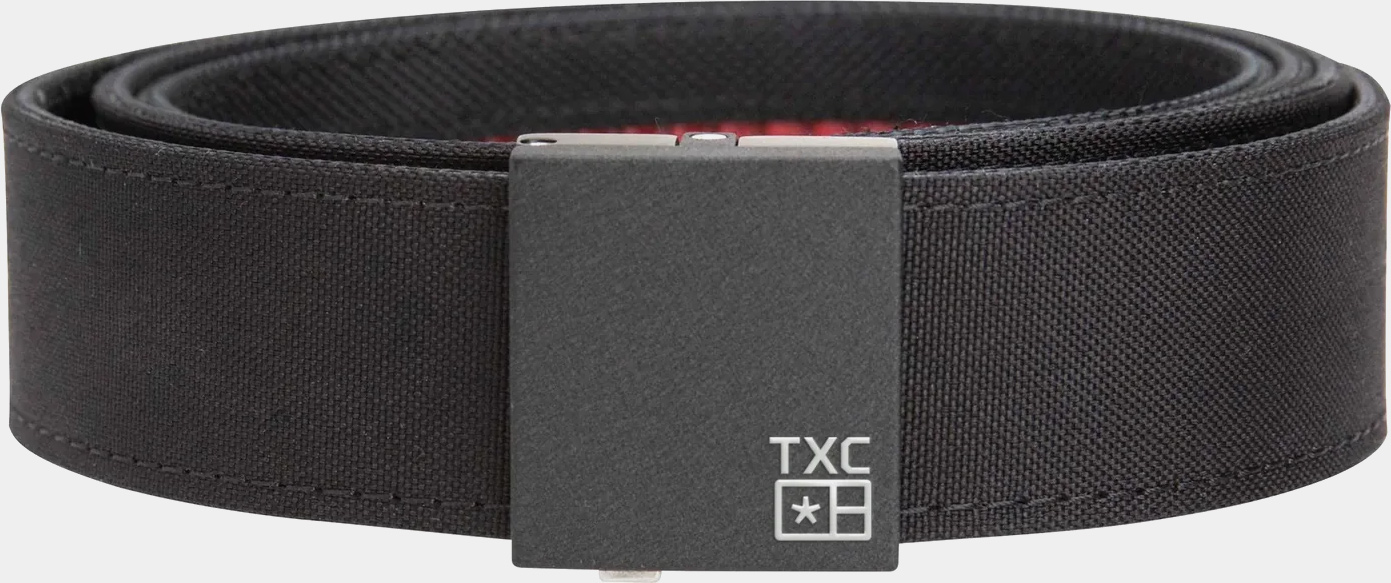
TXC x NEXBELT  Supreme Appendix Carry EDC Belt

TXC x NEXBELT Supreme Appendix Carry EDC Belt


Read the full article here

Share. Facebook Twitter Pinterest LinkedIn Tumblr Email
Previous ArticleFanatics announces long-term partnership with OBB for sports fan festival production and content creation
Next Article WAR ALERT: Trump Sends World’s Largest Aircraft Carrier To Caribbean

Related Articles

Boeing B-29 Superfortress: Setting the Rising Sun Afire

Boeing B-29 Superfortress: Setting the Rising Sun Afire

January 10, 2026
Ammo Prices CRASHED! These 10 Calibers Now DIRT CHEAP (Stock Up FAST!)

Ammo Prices CRASHED! These 10 Calibers Now DIRT CHEAP (Stock Up FAST!)

January 10, 2026
7 Rounds Every American Should Stockpile Before The 2026 Ammo Crunch!

7 Rounds Every American Should Stockpile Before The 2026 Ammo Crunch!

January 10, 2026
We Knife Co. Fluxor is a Big, Futuristic Wharnie Folder

We Knife Co. Fluxor is a Big, Futuristic Wharnie Folder

January 9, 2026
Falco Holsters for the Echelon

Falco Holsters for the Echelon

January 9, 2026
Gun Store Can’t Sell These GUN Models (Sitting Over 1 Year!)

Gun Store Can’t Sell These GUN Models (Sitting Over 1 Year!)

January 9, 2026
The Truth About the Mini-14 That AR Owners Don’t Want to Hear

The Truth About the Mini-14 That AR Owners Don’t Want to Hear

January 9, 2026
CRKT’s Massive 2026 Product Lineup is Here

CRKT’s Massive 2026 Product Lineup is Here

January 9, 2026
Tarani: The Failure That Could Save Your Life

Tarani: The Failure That Could Save Your Life

January 8, 2026
Don't Miss
Netanyahu and Rubio discuss US military intervention in Iran amid ongoing nationwide protests: report

Netanyahu and Rubio discuss US military intervention in Iran amid ongoing nationwide protests: report

From West Point to Ranger Regiment | Hailey Gibbons | Ep. 391

From West Point to Ranger Regiment | Hailey Gibbons | Ep. 391

Legendary Olympian Michael Phelps sides with Michael Jordan in renewed NBA GOAT debate

Legendary Olympian Michael Phelps sides with Michael Jordan in renewed NBA GOAT debate

Bears stun Packers with shocking comeback for first postseason win in rivalry since 1941

Bears stun Packers with shocking comeback for first postseason win in rivalry since 1941

Latest News
Nobel Institute shuts down talk of Venezuelan leader sharing Peace Prize with Trump

Nobel Institute shuts down talk of Venezuelan leader sharing Peace Prize with Trump

January 11, 2026
US figure skating power couple makes history with record breaking seventh national championship

US figure skating power couple makes history with record breaking seventh national championship

January 11, 2026
Costco to open new warehouse under affordable housing development in South Los Angeles

Costco to open new warehouse under affordable housing development in South Los Angeles

January 11, 2026
Trump says Venezuela has begun releasing political prisoners ‘in a BIG WAY’

Trump says Venezuela has begun releasing political prisoners ‘in a BIG WAY’

January 11, 2026
DC pipe bomb suspect pleads not guilty to planting devices at DNC and RNC headquarters

DC pipe bomb suspect pleads not guilty to planting devices at DNC and RNC headquarters

January 11, 2026
Copyright © 2026. Truth Republican. All rights reserved.
  • Privacy Policy
  • Terms of use
  • Contact

Type above and press Enter to search. Press Esc to cancel.