


NEWYou can now listen to Fox News articles!
An often-overlooked part of the body may reveal important clues about overall health.
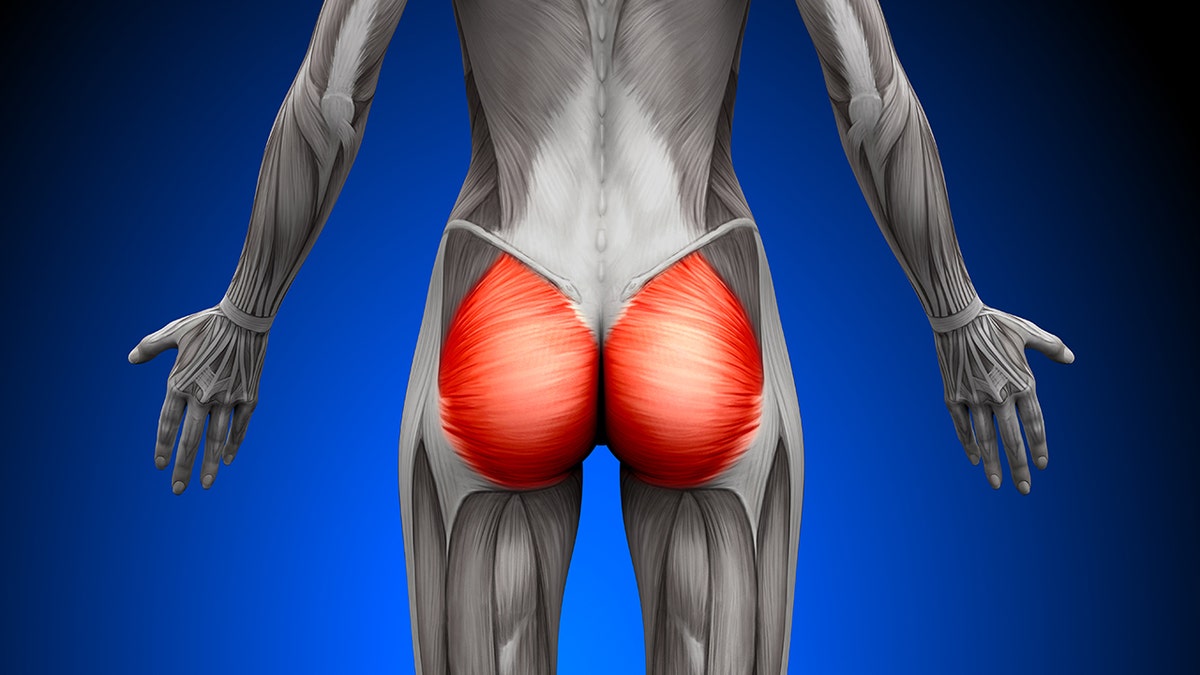
Researchers from the University of Westminster in the U.K. discovered that the shape of the gluteus maximus muscle in the buttocks changes with age, gender, lifestyle and frailty, as well as certain conditions like osteoporosis and type 2 diabetes.
Using advanced MRI scans that create 3D images, researchers revealed “distinct” patterns in the gluteus maximus associated with type 2 diabetes.
HOW TO AVOID GETTING ‘OFFICE CHAIR BUTT’ FROM PROLONGED SITTING AT WORK
This suggested that the shape of the muscle, rather than the size, may “reflect underlying metabolic differences,” a press release stated.
The findings were presented in December at the annual meeting of the Radiological Society of North America (RSNA) in Chicago.
Unlike previous studies looking at muscle size or fat, the 3D imaging identified exactly where the muscle changes occur, according to the researchers.
As one of the largest muscles in the human body, the gluteus maximus “plays a key role” in metabolic health, according to lead study author E. Louise Thomas, Ph.D., professor of metabolic imaging at the University of Westminster’s School of Life Sciences.
OLDER AMERICANS ARE QUITTING GLP-1 WEIGHT LOSS DRUGS FOR 4 KEY REASONS
The researchers analyzed more than 61,000 MRI scans from a large UK health database to better understand the muscle’s structure.
The data also included the participants’ physical measurements, demographics, disease biomarkers, medical history and lifestyle habits. The researchers studied how these variables were linked to muscle shape over time.
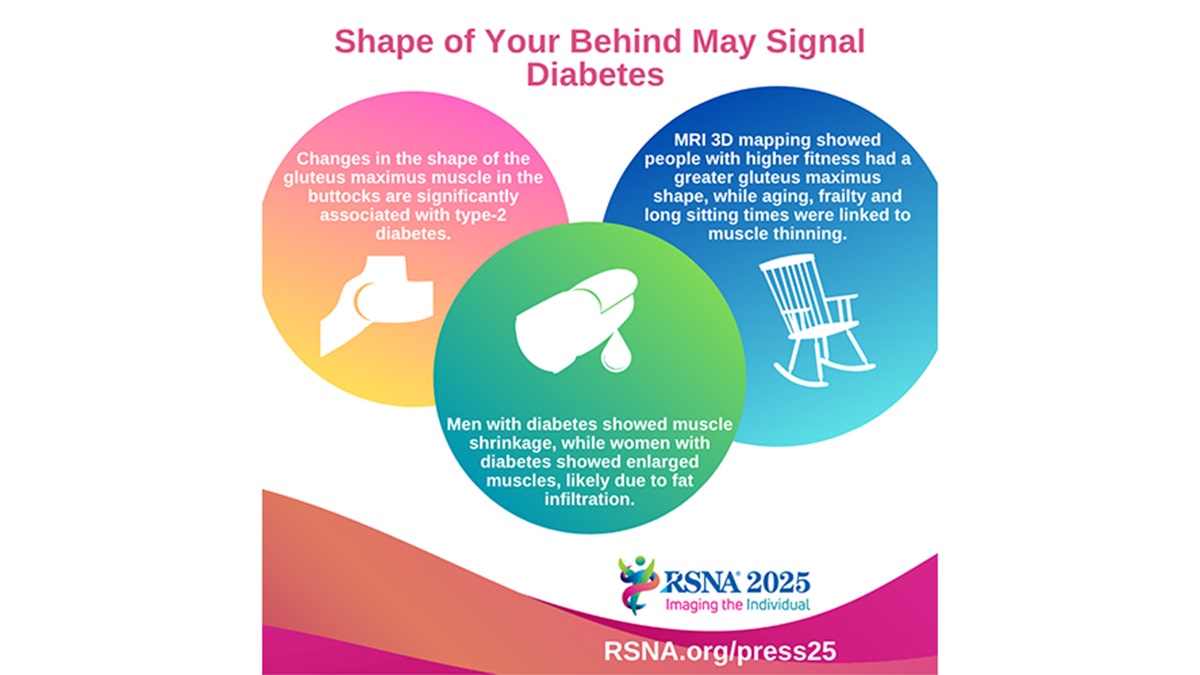
“People with higher fitness, as measured by vigorous physical activity and hand grip strength, had a greater gluteus maximus shape, while aging, frailty and long sitting times were linked to muscle thinning,” study co-author Marjola Thanaj, Ph.D., a senior research fellow at the University of Westminster’s Research Centre for Optimal Health, said in the release.
5 FITNESS TRENDS THAT WENT VIRAL IN 2025 – EXPERTS WEIGH HYPE VS RESULTS
The researchers concluded that butt shape changes may indicate an “early functional decline” and “metabolic compromise” in type 2 diabetes patients.
CLICK HERE FOR MORE HEALTH STORIES
Men with type 2 diabetes showed muscle shrinkage, while women displayed enlarged muscle, likely due to “infiltration of fat” within the muscles, according to the researchers.
These results suggest that men and women have “very different biological responses to the same disease,” Thanaj suggested.

Men who were categorized as “frail” were recognized as having more “general shrinkage” across the gluteus maximus, but women experienced a “limited” frailty effect.
Building strong glutes for better health
Strengthening the glutes is an “investment in long-term health,” according to Tanya Becker, co-founder of Physique 57 in New York City.
“While full-body strength training is essential, focusing on your glutes — the largest muscle group in your body — deserves special attention,” she told Fox News Digital.
Becker refers to the glutes as the body’s “shock absorbers,” because they protect the lower back, knees and hips from taking on stress they weren’t designed to handle.
Larger muscle groups also burn more calories and help regulate blood sugar, the expert added, noting that muscles are often referred to as the “organ of longevity.”
Strengthening the glutes also helps to protect the lower back, hips and knees, and also improves posture and balance, reducing the risk of falls and improving mobility.
“People with higher fitness, as measured by vigorous physical activity and hand grip strength, had a greater gluteus maximus shape.”
Becker recommends traditional weighted exercises like squats, lunges and bridges, although they are not suited for everyone, especially older adults with injuries and joint pain.
“Pilates and barre classes offer bodyweight exercises that are ideal for beginners or individuals with physical limitations,” she suggested. “They can be done anytime, anywhere, making them accessible for beginners before progressing to weighted versions.”
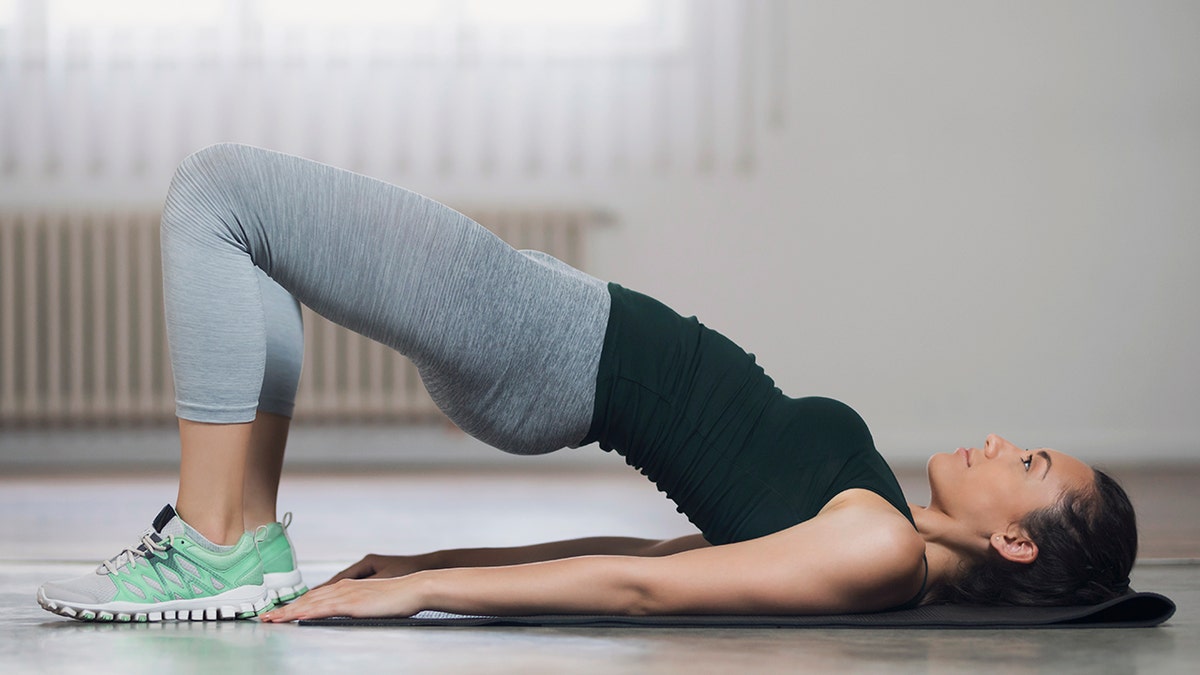
Becker shared the following three glute exercises that improve hip mobility, stability and overall strength.
No. 1: Quadruped leg lifts (strengthens entire core and glutes)
Start on the hands and knees, engage your core, and lift one leg off the floor (bent or straight). Pulse up and down a few inches for 30 to 60 seconds, then repeat on the other leg.
CLICK HERE TO SIGN UP FOR OUR HEALTH NEWSLETTER
No. 2: Clamshells (strengthens gluteus medius)
Lie on your side with knees bent at 90 degrees in front of you. Lift your top knee away from your bottom knee, then lower slowly.
For an increased challenge, lift both feet off the ground while keeping the heels together. Repeat for 30 to 60 seconds per side.
No. 3: Glute bridges (strengthens lower back and glutes)
Lie on your back with knees bent and feet parallel, a few inches from your hips. Engage your abs and squeeze your glutes to lift your hips toward knee height, then lower.
If you feel pressure in your neck, you’ve lifted too high. Perform for 30 to 60 seconds. Complete three sets with 30-second rests between.
TEST YOURSELF WITH OUR LATEST LIFESTYLE QUIZ
Those looking to start a new fitness routine should first consult with a doctor.
Fox News Digital reached out to the study authors for comment.
Read the full article here


