


NEWYou can now listen to Fox News articles!
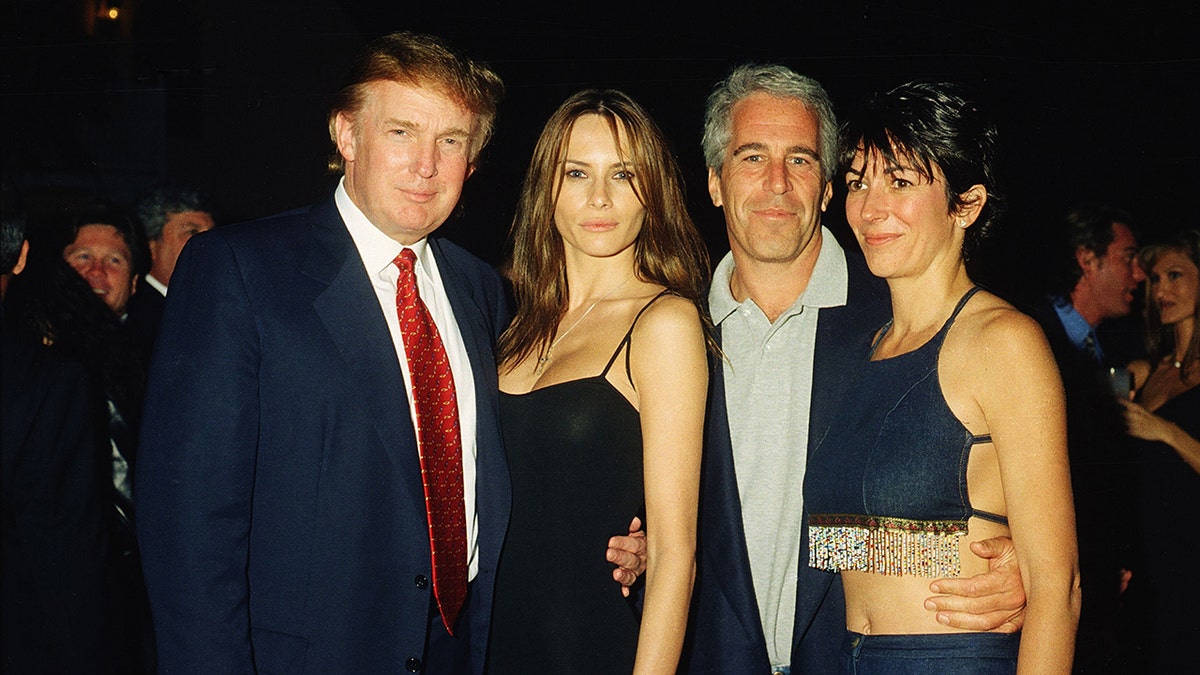
The Department of Justice warned Tuesday that some documents in the latest batch of files it published related to Jeffrey Epstein included false and unverified information about President Donald Trump.
The DOJ wrote in a statement that the material included “untrue and sensationalist claims” about the president that the FBI received ahead of the 2020 election.
“To be clear: the claims are unfounded and false, and if they had a shred of credibility, they certainly would have been weaponized against President Trump already,” the DOJ wrote on social media, adding that it published the documents because of its “commitment to the law and transparency.”
The documents included an email sent by an unnamed federal prosecutor with the U.S. attorney’s office in the Southern District of New York on Jan. 7, 2020, saying Trump flew on Epstein’s private jet at least eight times in the 1990s. Epstein and his associate Ghislaine Maxwell accompanied Trump on some of the flights, and two of the flights included passengers who were “possible witnesses in a Maxwell case,” the prosecutor wrote.
The U.S. attorney’s office “didn’t want any of this to be a surprise down the road,” the prosecutor wrote.
The documents also indicated a number of tips that were provided to the FBI about Trump’s alleged involvement with Epstein in the early 2000s. Trump has said he ended his friendship with Epstein before Epstein faced charges. It is unclear what was done with the information provided in the documents, or whether any of it was corroborated or used in the prosecutions of Epstein and Maxwell.
The DOJ has been sharing on a public website since Friday tens of thousands of pages of files related to Epstein’s and Maxwell’s sex-trafficking cases. Maxwell was found guilty in 2021 of trafficking minors, while Epstein died in 2019 in prison by suicide, authorities say.
SCHUMER ACCUSES DOJ OF BREAKING THE LAW OVER REDACTED EPSTEIN FILES
Among the files was also a letter that appeared to show Epstein had written to former physician Larry Nassar, a convicted child molester, and had referenced Trump liking young women. The DOJ said later Tuesday, after the letter had made the rounds on social media, that the FBI confirmed the letter was “fake.”
“The fake letter was received by the jail, and flagged for the FBI at the time,” the DOJ wrote in a statement on social media. The department said suspicious features of the letter included that it was postmarked three days after Epstein died and was sent from Virginia, rather than New York where Epstein was imprisoned.
The latest trove of documents came as part of the DOJ’s response to the Epstein Files Transparency Act, a law passed last month that imposed a 30-day deadline on the department to release all unclassified material related to the cases.
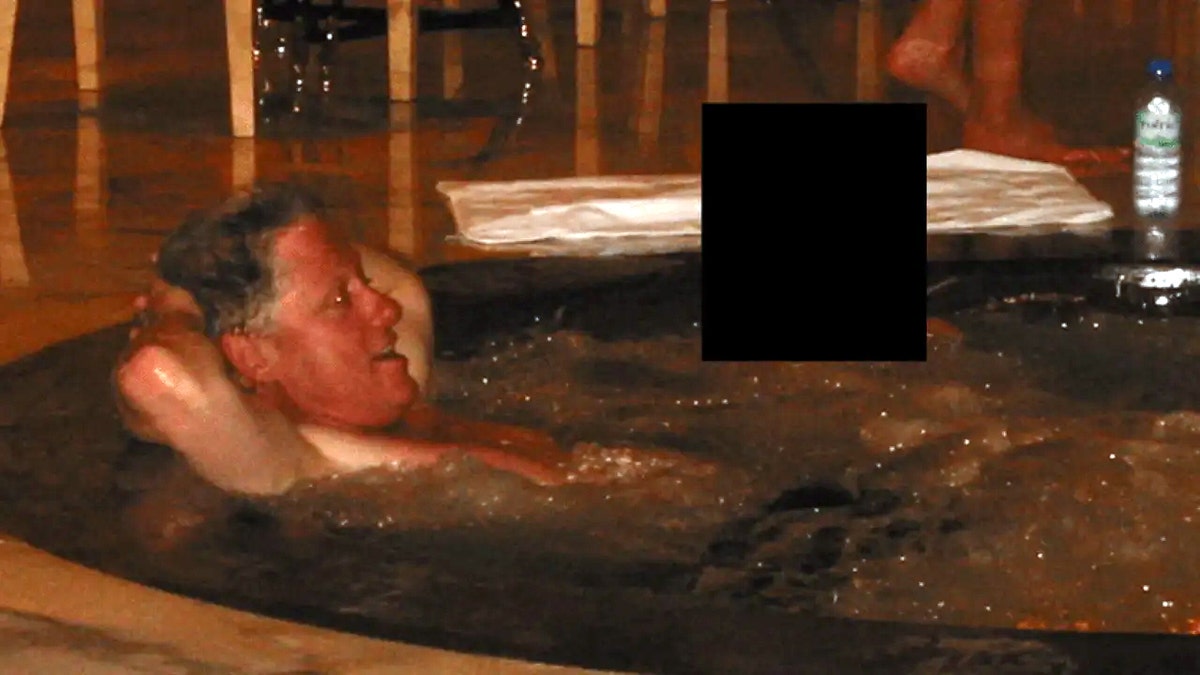
The last batch of documents included several photos of former President Bill Clinton, who was pictured in a pool and hot tub. A woman whose face was redacted was featured in the latter. A Clinton spokesperson responded by demanding the DOJ release all the files and that refusal to do so would confirm the DOJ was “not about transparency, but about insinuation.” The spokesperson noted that Clinton’s name has “repeatedly” been cleared by prosecutors.
CLINTON TEAM DEMANDS TRUMP DOJ RELEASE ‘ANY REMAINING’ DOCS RELATED TO FORMER PRESIDENT, EPSTEIN
The transparency bill allowed the DOJ to withhold information about potential victims and material that could jeopardize open investigations or litigation. Officials could also leave out information “in the interest of national defense or foreign policy,” the bill said. But the bill explicitly directed the DOJ not to redact any details that could be damaging to high-profile and politically connected people.
The file rollout has stirred controversy as critics have aired grievances about over-redactions and the law’s lapsed deadline. Trump signed the bill into law on Nov. 19, meaning the statutory deadline for all the files to be released was Dec. 19. The DOJ has said more files are forthcoming by the new year.
Deputy Attorney General Todd Blanche said on “Meet the Press” on Sunday there was “well-settled law” that supported the DOJ missing the bill’s deadline because of a need to meet other legal requirements, like redacting victim-identifying information.
Bill Mears contributed to this report.
Read the full article here


