


As Americans head into barbecue season, rising energy prices linked to Middle East tensions are driving up the cost of propane.
When energy prices rise, the added costs ripple through the food system and into everyday purchases, from meat counters to backyard grills.
“The impact of ongoing challenges in the Middle East on energy prices impacts nearly every facet of the U.S. economy and beef cattle are not immune,” Glynn Tonsor, a professor of agricultural economics at Kansas State University, told FOX Business.
BUYING A HOME JUST GOT MORE EXPENSIVE AS THE IRAN WAR DRIVES UP MORTGAGE RATES
Ranchers rely on fuel at nearly every step, from running tractors to transporting cattle, and those higher costs are often passed on to consumers, Tonsor said.
Those pressures are showing up in energy markets. Gas prices now average about $4.02 a gallon, up roughly 86 cents from a month ago, according to AAA, while diesel – a key fuel for freight – has climbed to $5.49, up about $1.90 over the past year, making it more expensive to move cattle and beef across the country.
GAS SURGE TIED TO IRAN CONFLICT HITS SWING STATES, TESTING TRUMP’S LOW-PRICE PITCH
The ripple effects go far beyond beef.
Propane, the fuel powering many backyard grills, is also getting more expensive as global energy markets tighten because countries in the Middle East are such major suppliers to the world.
U.S. propane prices at the Mont Belvieu hub, the industry benchmark for this type of power, have surged nearly 19% since the conflict began in late February.
But higher energy costs are only part of the story.
Cattle supply remains slow to respond. Unlike oil or metals, where supply can be increased relatively quickly, cattle production takes years to ramp up after a dip.
BEEF PRICES ARE CLOSE TO RECORD HIGHS — BUT AMERICANS AREN’T CUTTING BACK
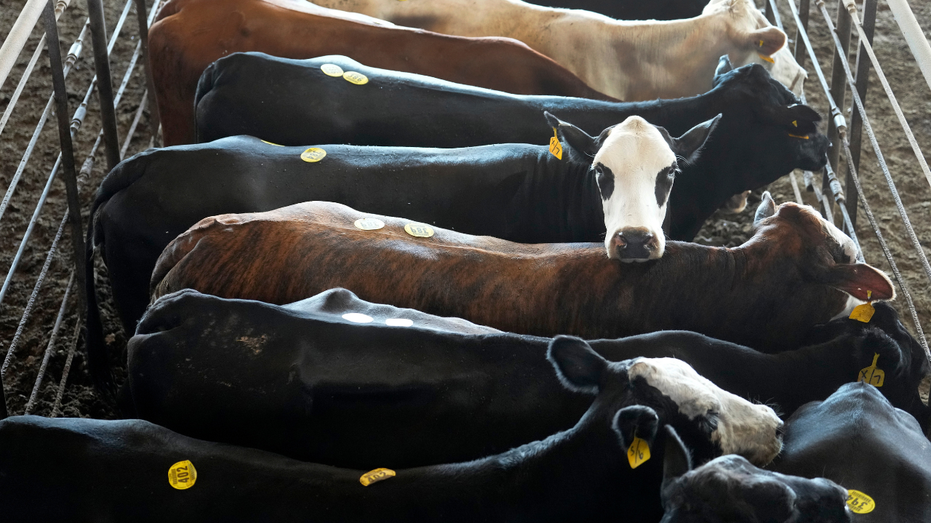
The U.S. cattle herd is now at its smallest size in 75 years, which is keeping the supply tight following years of drought, rising costs and an aging ranching workforce resulting in producers needing to cut back.
That tight supply is already pushing prices higher – and the Iran conflict is only adding to the pressure.
According to U.S. Department of Agriculture data, the average price of beef climbed from about $8.70 per pound in March 2025 to $10.08 a year later, an increase of roughly 16%.
Subsequently, even if energy prices ease, beef prices likely won’t be quick to follow.
For shoppers, that could mean higher grocery bills this summer – and pricier cookouts – depending on whether demand holds or consumers switch to cheaper alternatives. Much of that will depend on forces far beyond Americans’ backyards.
Read the full article here


